How to navigate co-parenting after an abusive relationship
Co-parenting following abuse poses unique and significant difficulties since those who have harmed others may still utilize children and shared parenting to maintain control. According to research, domestic violence is a major factor in about 23.5% of divorces, and between 30% and 60% of households that experience intimate partner violence (IPV) also report child maltreatment after separation. Because of these facts, strategies like parallel parenting with well-defined limits are crucial for safeguarding all parties. Domestic abuse can have long-term consequences such as chronic health problems, physical and psychological stress, and, in extreme situations, even death. When navigating life after an abusive relationship, putting a child's safety, stability, and mental well-being first becomes crucial.
Background of what domestic violence is
For families, having a case of domestic violence can always be challenging. Domestic violence or often called Partner abuse is the term used to describe physical,sexual, or psychological abuse that takes place in a relationship. Long-term consequences of domestic abuse might include physical and psychological suffering, chronic health problems, or even death. It affects millions of people in the United States per year. They usually experience sexual,physical violence but there are also some situations where stalking is involved. When co-parenting children following an abusive relationship, the public should place a high priority on providing secure, stable, and supportive surroundings. This entails placing the child's emotional and physical safety first at all times, setting clear and courteous communication limits with the co-parent, and obtaining professional assistance, such as counseling or therapy, to address mental health issues. Children should be reassured by parents that the changes in their family are not their fault, and they should have conversations with them in an age-appropriate manner. In order to properly help their children, it's also critical for parents to understand the effects of abuse. Co-parenting can also be made safer and more successful in the future by utilizing the community's resources, including as parenting classes, legal assistance, and support groups.
Tips for co-parenting with an abusive relationship
Strategies like parallel parenting are designed to create a more controlled environment between parents. In parallel parenting, a third party acts as a mediator between the parents while the parents have little to no interaction with one another. It assists in scheduling and other life decisions between the parents. The children are the exclusive focus of the communication. When contact is required, the parents typically use a third-party app to communicate so that there are permanent records of what is being said between the parents.
The goal is to be able to minimize the negative situations that may occur and fully focus on the priority of the children. In the long term, this can be a positive solution for parents that are having trouble with getting along. If any parents cross boundaries that are in the court order, there is a process that will be implemented for the parents to follow so there are no disagreements or problems amongst each other. Key benefits in parallel parenting
Reducing stress and conflict - Having a limited interaction for parents can help with shielding the children from arguments.
Having a neutral environment between parents - Children will be less-likely to be caught in the middle of arguments.
Stability - Having a structured schedule can provide a sense of mobility and consistency between the parents which can be positive in the future.
Long term effects
Domestic violence has long-term effects on people of all ages. Long-term trauma or other psychological changes may become a problem in the future. By altering how the brain handles stress, this can change how the brain develops. Long term effects are;
Having issues of lower self esteem
Using alcohol or drugs as a coping mechanism
Having chronic health illnesses weakened cortisol
Having a cycle of violence - the child might grow up thinking that this is acceptable since this is all they've ever been taught.
Having problems with social challenges like trying to make friends or develop healthy relationships
Having the problem of maintaining or building the relationships with family
How to help your child with the abuse
The first step in helping a child who is experiencing the aftermath of an abusive relationship is understanding the situation and realizing what they have been through. It will take time and attention to raise a child who is abused. It is important to listen to the child and their feelings without judgement, allowing them to show their emotions on their own pace. Setting healthy boundaries with the ex is also important to protecting the child's emotional and well-being. This can include only communicating with the other party if it is needed and keeping the topic on only the child. In certain situations, using structured methods—such as third-party communication applications or parallel parenting—can minimize direct interaction and the likelihood of manipulation or conflict.Lastly, teaching kids constructive coping mechanisms and healthy connections can teach them how to deal with similar circumstances in the future
Conclusion
A child's emotional stability is greatly influenced by the family environment, parenting styles, and any behavioral or emotional difficulties. Establishing a secure and stable atmosphere that encourages a positive parent-child relationship is essential to the healing process following an abusive relationship. Rebuilding trust and building healthy relationships over time can be helped by putting the child's needs first and employing successful co-parenting techniques. In the end, children need constant protection, stability, and emotional support to heal and strengthen their sense of safety going forward.

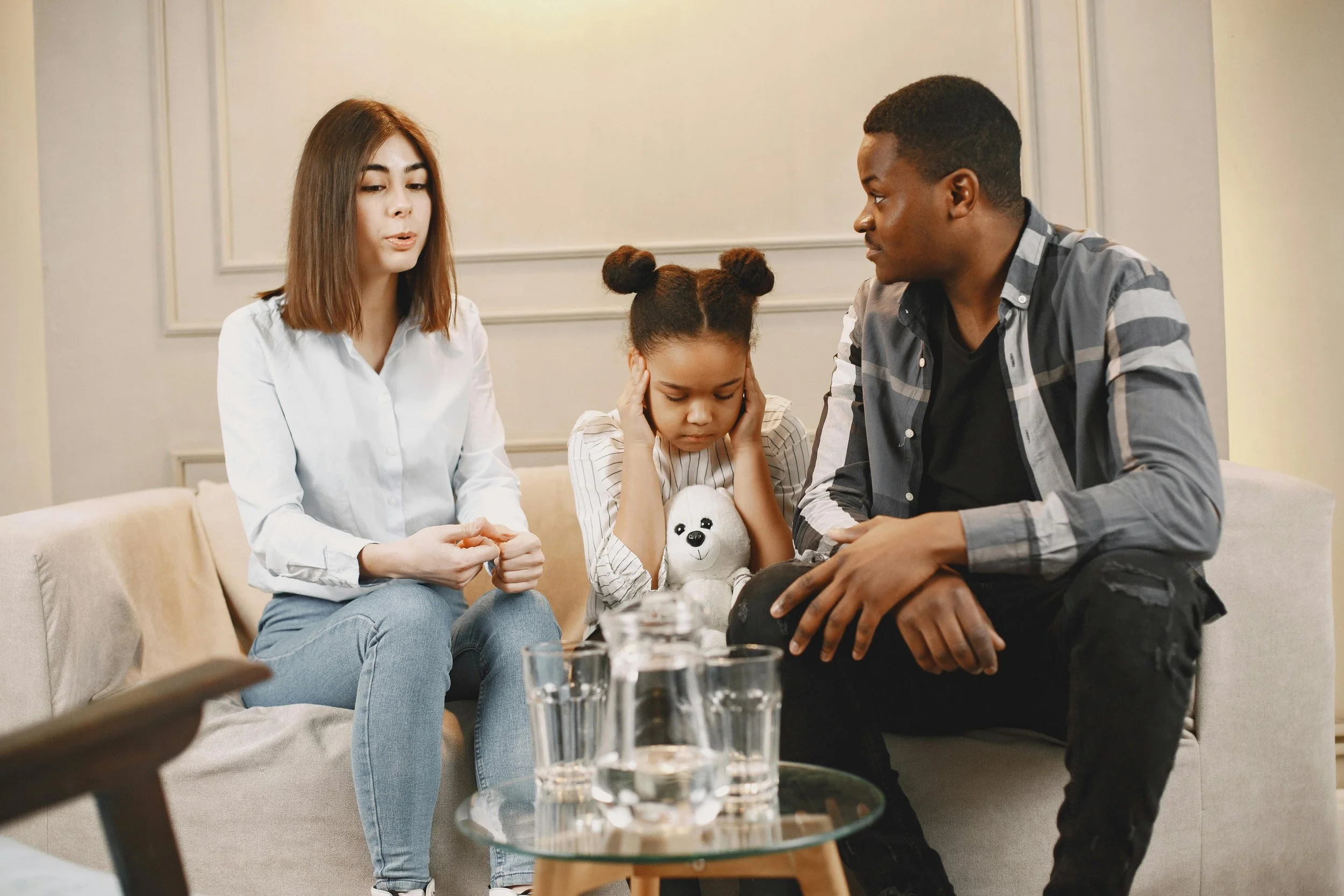
A child watching their parents argue , highlighting the impact it has on children.
Image credit: Pexels, cottonbro studio
A child in the middle of parents arguing , highlighting the emotional distress a child is feeling while being caught in the middle of their parents argument.
Image credit: Pexels, Gustavo Fring
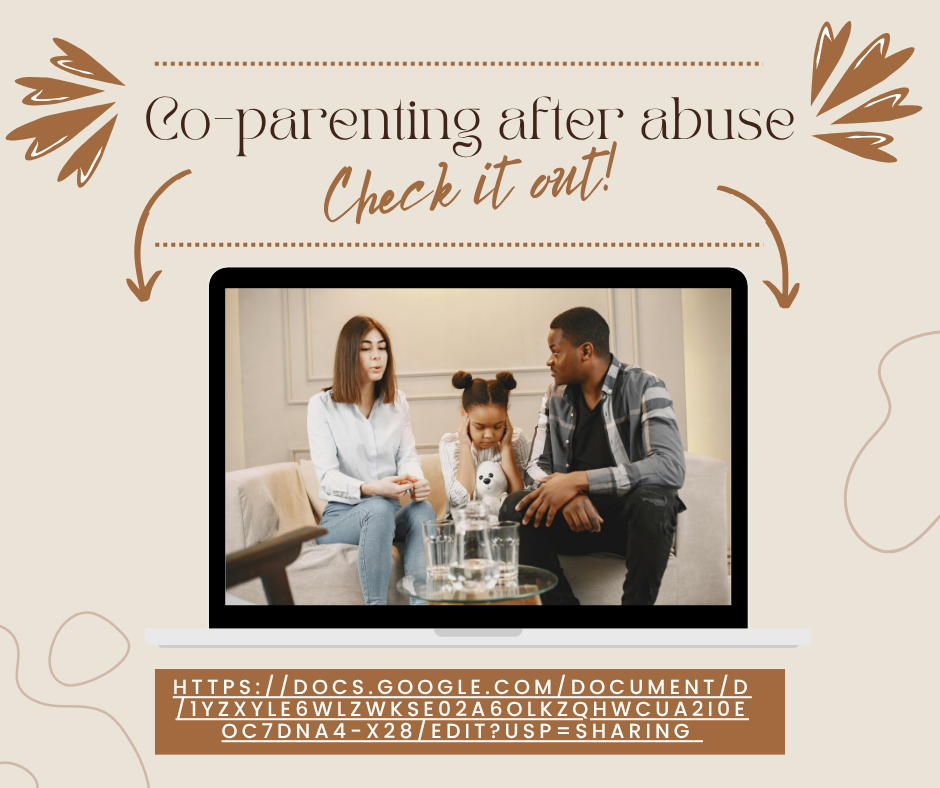
One AIDA-based promotional Facebook post -
A-It can be difficult to co-parent after an abusive relationship, but you don't have to do it alone.
I-Your child's safety and emotional health are your top priorities when escaping an abusive relationship. Over time, both parents can progress toward a more stable co-parenting dynamic by establishing appropriate boundaries and minimizing conflict.
D-It is possible to heal. Co-parenting may become more manageable and concentrated on what really matters—your child's safety, development, and peace of mind—with the correct direction, framework, and assistance.
A-After abuse, we are here to teach you good co-parenting techniques. For advice, tools, and encouragement to help you forward with assurance, follow us.